Standing in the checkout line at the Alberta Street Co-op, I'm holding my phone sideways, thumb flicking between two photos of the same toenail taken two weeks apart, when Marisol leans in and asks whether the base looks lighter to her or if she's just hoping it does. That question, asked instead of just an opinion handed to me, is exactly what got me thinking about how easily people confuse a nail looking different with a nail actually being fixed. Teaching yoga barefoot six days a week means my feet get inspected more than I'd like, by students, by studio mirrors, by hardwood floors that don't forgive bad lighting, and somewhere along the way I'd picked up the same assumption everyone else has: if something looks better, it must be working.
Quick disclosure before I go further: a few of the links below are affiliate links, meaning I earn a small commission if you buy through them, at no extra cost to you. I only mention products I've actually used in my own routine here in Portland. I'm not a doctor or a dermatologist, just a yoga teacher who got humbled by her own toe and started paying closer attention.
The Myth of a Lighter Nail
Here's the myth I believed for longer than I want to admit: if a nail looks lighter than it did last month, whatever you're doing must be working. That's not automatically true. A nail can look lighter because new growth is coming in clean near the base, or it can look lighter because the surface got scrubbed, buffed, or bleached in a way that has nothing to do with what's actually happening underneath it. Those are two very different situations, and mixing them up is how people convince themselves a routine is working when it's really just cosmetic.
The same stubborn quality that makes dermatophytes so hard to shake is exactly why one lighter-looking patch doesn't mean much on its own. I'm not going to pretend I can tell you which situation you're in just from a phone photo, that's a more technical conversation than a yoga teacher with a camera roll should be having. What I can tell you is that the two-week photo habit only means something if you're comparing the same section of nail in the same light, not just eyeballing whether things feel more hopeful than last time.
Is Patience Actually a Strategy?
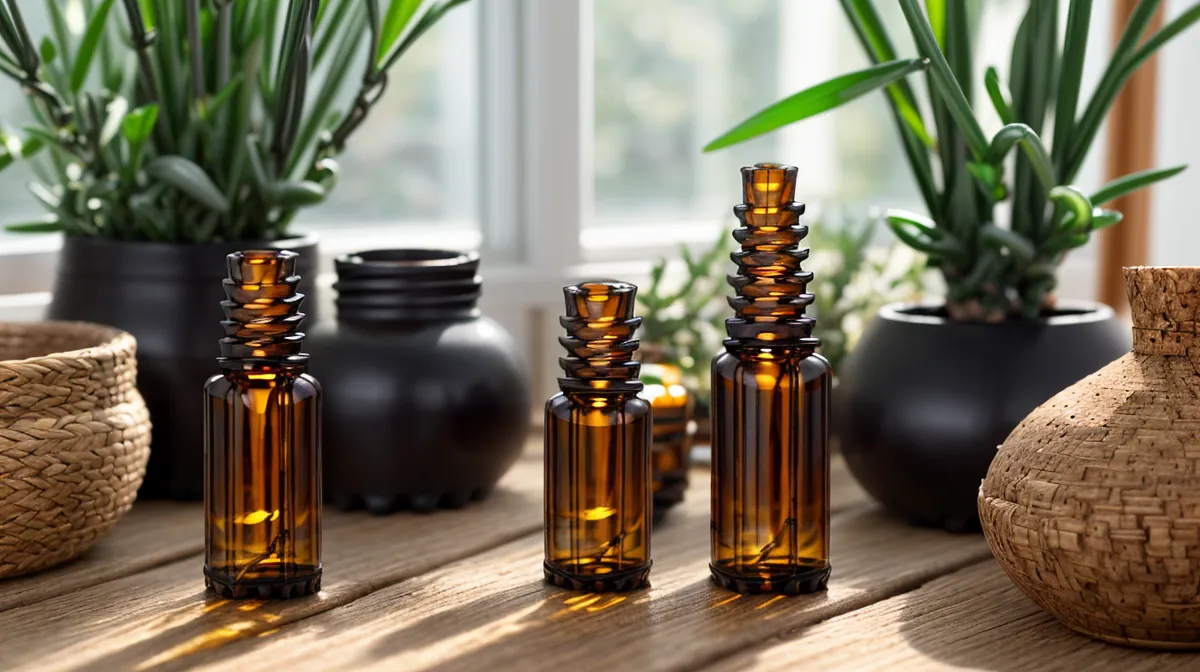
For three months I put generic tea tree oil on that nail every single night, certain that natural plus consistent would eventually win. It didn't. The only real result was the bottle leaking in my gym bag and turning my cork blocks into something that smelled like a hike through a pine forest, while the nail stayed roughly the same color it had been in month one. Patience without the right approach isn't a strategy, it's just waiting.
Then I overcorrected. I went completely bare-nailed, zero polish, for two full months straight, on the theory that the nail needed to breathe. Nails don't really work that way, and two months later nothing had changed except that I'd stopped hiding it under color, which, fine, was its own kind of progress, just not the kind I was actually going for. Marisol pointed out that I'd tried two opposite approaches and landed on the exact same result, which is the sort of thing only someone who's known you eight years bothers to say out loud.
One Bottle Won't Replace a Whole Foot Care Routine
Eventually I stopped treating this like a single-ingredient problem and thought about it more holistically, switching to Kerassentials, a blend rather than a lone oil, tea tree alongside lavender and almond oil, meant to actually sit against the nail instead of evaporating off the surface in twenty minutes. That distinction mattered more than I expected. An oil that just rests on top of the nail plate behaves completely differently than one formulated to stay in contact long enough to do anything, and that gap is honestly a bigger factor than which single ingredient is in the bottle.
I kept the longer, messier version of all this tracked in more detail in The Barefoot Teacher’s Log: Lessons from a Year of Tracking Toenail Recovery, mostly because a two-sentence summary makes it sound simpler than it was. Mat hygiene got tightened up too, obviously, though I'll say plainly that scrubbing your mat is necessary and not remotely sufficient on its own. Plenty of my hygiene habits were already solid long before any of this started.
If you look at what Kerassentials itself says, it's upfront that you shouldn't expect visible change for six to eight weeks, not two, and that the little applicator brush needs wiping after every single use or it gets gunky fast. Those are unglamorous details, but they matter more than any ingredient list, because a routine you actually keep up beats a perfect formula you abandon after ten frustrated days.
I looked seriously at ProNail Complex too, since it takes a probiotic route instead of an oil-based one and comes as a spray rather than something you drip on with an applicator. A spray sounds appealing when you're doing this every day, but it felt like overkill for one affected nail instead of several, and there's simply less long-term feedback out there on it compared to older topical options. Whether you go topical or lean on something taken internally really depends on what's actually going on with your nail, which is its own question I'm not going to answer in one post.
The embarrassment part, the part where you'd rather talk about literally anything else than the color of your own toenail in a room full of people practicing mindfulness, is something I unpacked separately in The Barefoot Teacher’s Dilemma: How I Stopped Hiding My Toes During Savasana. It might be the hardest part of this whole thing, honestly, but it's not something a bottle of anything fixes.
Checking Your Own Nail Instead of Guessing
Most nights the actual routine happens in the claw-foot tub in my rented bungalow, one bulb turned low overhead and a shelf of glass bottles close enough that I don't have to get up dripping everywhere. The water turns milky within a minute or two once the Epsom salt hits it, small enough a detail that I look forward to it more than I probably should. Whether that water leans more acidic or more neutral changes how much good a soak like that actually does, a detail most people skip entirely in favor of just soaking longer.
Ogechi, who's been in my Thursday class for two years now, isn't one to dance around a topic. She once asked, flat out and in front of everyone, whether I was actually doing anything about my toe or just hoping it would sort itself out. Fair question. It's also the kind of question that opens a dozen smaller ones I'm not going to answer in one post: whether a nail has actually started thickening versus just discoloring, what's going on inside your shoes after eight hours of teaching, whether the tools at your last pedicure were properly sanitized between clients, how much good circulation is doing for you before any product even gets a chance to work. Each one deserves a real answer instead of a rushed paragraph tacked onto someone else's story.
If you want to see current details for yourself, Kerassentials on their official page is the only place to actually get it, it isn't sold through a pharmacy or a marketplace, which matters more than people assume, because sourcing something like this from anywhere else is its own gamble. And once a nail actually clears, keeping it that way is a different job entirely from treating it while it's still yellow. Feeding the nail well after the fact isn't the same project as fixing what's already gone wrong, even though people lump the two together constantly.
Some people I know prefer Keravita Pro instead, a capsule that works from the inside with garlic and turmeric rather than anything applied directly, though I've stuck with the topical ritual myself because I like being able to see what I'm actually doing. Whichever direction you go, here's the rule I'd actually hand you instead of "just be patient": if two photos two weeks apart look basically identical, that's information telling you to change something, not a sign to wait longer. Lighter isn't proof, and patience isn't a plan. Matching the approach to what's actually going on is the only thing that ever moved my nail forward.