Runners get to hide sore feet inside trail shoes. Barefoot yoga teachers don't; our feet are the whole show, six days a week, and mine were hiding a secret under the honest, polish-free look of a bare studio floor: a yellowing streak on my big toe that no amount of clean living seemed to explain. Nail health isn't something I thought much about before that, and a foot care routine felt like something other people needed, not me. That changed fast, and what followed turned into an ongoing project in natural remedies, yoga-teacher humility, and eventually a set of answers I wish I'd had on day one.
Quick disclosure before we get into it: some of the links below are affiliate links, and I earn a small commission if you buy through them, at no extra cost to you. None of that changes what I actually tell you here — I'm not a doctor, a dermatologist, or any kind of licensed health professional, just someone who teaches barefoot and got forced into paying attention to her own toes.
My students ask me some version of the same questions after class, usually once they've clocked my toenail themselves, so instead of another long story, here are the actual questions, answered the way I'd answer them over tea after a session. I keep a spotless yoga mat, I wash my feet constantly, and none of that stopped this from happening, which is the first thing worth knowing.
Is a Yellow Toenail Always Fungus?
Not necessarily, and here is what I wish someone had told me early on. Discoloration from an injury — dropping a yoga block on your foot, jamming a toe against the mat edge — can look a lot like the fungal kind at first glance, and telling the two apart isn't something I'm qualified to do from a photo. What I can tell you is that mine didn't come from an injury I remembered, which narrowed things down enough for me to stop guessing and start actually doing something.
What I Tried First — And It Didn't Work
Cutting the nail back as short as I could get it and scrubbing the edge with a stiff-bristle brush was my first move, on the theory that if I just got aggressive enough, whatever was under there would give up. My neighbor Willa Nwafor, an occupational therapist who lives next door and treats every one of my home experiments like a small case study, was not impressed — she pointed out, fairly gently, that scrubbing harder isn't a strategy backed by much besides my own frustration. Tea tree oil came next, straight from the health food store, and months of it did almost nothing, which taught me something separate: a carrier oil sitting on top of a nail doesn't automatically get where it actually needs to go.
Topical Oil, or Something You Swallow?
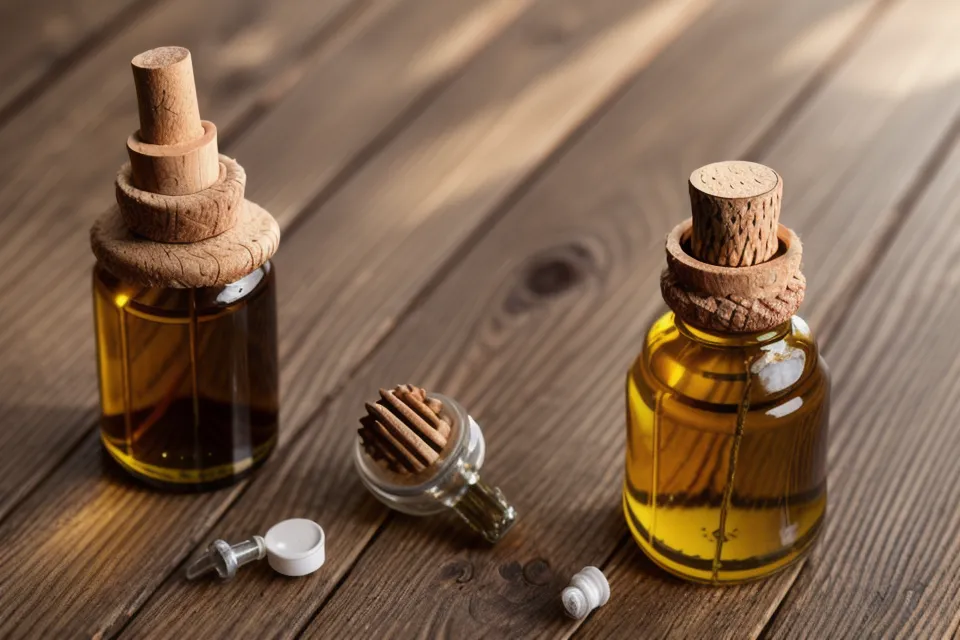
Topical treatments work on the surface, and supplements work through digestion, on the idea that stronger nails might grow in from the inside instead of being coated from the outside. Between the two, I lean topical first because I can actually see and feel what I'm doing, and Kerassentials was the oil-based option I settled into, applying it after a shower when my skin and nail were still a little soft from the heat.
How Long the Oil Actually Needs to Sit
Contact time matters more than people expect. An oil wiped off two minutes after applying it hasn't had much chance to do anything, no matter how good the ingredients are. With Kerassentials, I let it sit for a few minutes before pulling socks on, which stopped feeling like a chore once I treated it as part of getting dressed instead of an extra step.
The Capsule Route
Capsules skip the waiting-for-it-to-absorb problem entirely, since whatever's inside gets processed through your system instead of sitting on the nail surface. I tried Keravita Pro as my inside-out experiment, garlic and turmeric among the ingredients, and noticed it carries what's called a gravity of 17 in affiliate terms, basically a sign it's a steadier, less hyped option rather than the product every influencer is pushing this month. I got into the fuller comparison, oils versus capsules, in Beyond Tea Tree Oil: My Barefoot Journey Tracking What Actually Works for Stubborn Toenails, if you want the longer version.
What About a Probiotic Spray Instead of Oil?
Sprays solve the mess problem in a way oils never quite manage — no greasy residue transferring onto my mat mid-class, which matters more than it sounds like when you're demonstrating a pose an hour after applying something. ProNail Complex uses a probiotic-based approach rather than a straightforward antifungal oil, and it's the one I reach for on teaching days specifically because it dries fast enough that I'm not worried about it showing up on someone else's mat.
The Moment I Actually Noticed Something Had Changed
A student mentioned, quietly, at the end of savasana one class, that my feet looked relaxed — an odd thing to say out loud, except I realized while she said it that I hadn't tucked my toes under my heels once that whole session, something that had become such an automatic habit I'd stopped noticing I was doing it. That was the real marker for me, more than any photo on my phone: not hiding anymore, without having to remind myself not to. I wrote about that specific shift, and what led up to it, in The Barefoot Teacher's Dilemma: How I Stopped Hiding My Toes During Savasana.
Could My Yoga Mat Be Reinfecting Me?
Mats get blamed for everything in this conversation, and mine gets wiped down after every single class, but a clean-looking mat and a mat that's actually free of anything worth worrying about aren't the same claim. Reinfection from a surface is possible in theory, though for me the bigger risk was probably my own damp socks after a shower, not the studio floor. Either way, treating my gear like it might be part of the problem, instead of assuming my own hygiene made me immune, changed how seriously I took the whole routine.
The Thickened Edge Nobody Warns You About
Thickening showed up before I expected it to, a slight ridge at the edge of the nail that hadn't been there before, and filing it down became its own small ritual. The file catches on that thicker patch with a dry little scrape, nothing like the smooth glide over the rest of the nail, and I notice it every single time now. Nobody mentions this part when they talk about nail recovery; it's always the before-and-after, never the texture change in between.
Do My Shoes Make This Worse?
Shoes matter less for me day to day since I teach barefoot, but sandal season and the occasional closed-toe sneaker for a walk around Mount Tabor Park taught me that damp, unventilated footwear is basically a greenhouse for anything already struggling to clear up. Breathable materials and actually drying shoes out between wears did more for me than any single product change did on its own.
Keeping My Own Tools Clean
Nail clippers and files sitting in a drawer, used on healthy nails and questionable ones alike without a second thought, is a habit I had to break. Wiping tools down between uses, and not sharing them with anyone else in the house, sounds obvious written out like this, but it wasn't obvious to me until I connected the dots between reinfecting one toe from another and reinfecting myself from my own kit.
What About Apple Cider Vinegar Soaks?
Honestly, people ask about this constantly, usually hoping for a free fix already sitting in the kitchen cabinet. Vinegar soaks shift the environment a nail sits in, more acidic, less hospitable to some things, and that's about the honest extent of what I understand about why anyone recommends it. I tried soaking a handful of times and didn't stick with it long enough to say it did anything either way, which is probably the most common outcome and rarely the one people write about.
When Circulation Changes the Whole Picture
Healthy circulation generally means healing happens faster, and anything that slows blood flow to the feet changes how much patience a routine like mine actually needs — a bigger factor for some people than any product on this page. That's not something I'm equipped to weigh in on for someone else's specific health situation, only to flag that it exists and that it changes the math.
Where I Actually Buy This Stuff
Gennifer Achara, who teaches Pilates two doors down from me and shares the same locker room, caught a glimpse of my toe before I'd said a single word about it and had an oil blend recommended within about ten seconds — she's quietly particular about her own routine and clearly enjoys being the one with the answer. The one lesson that stuck from that exchange: buy the actual product from the source, not a knockoff. Kerassentials, for instance, is only sold through the official site, no pharmacy or marketplace version floating around, which annoyed me until I realized that's probably why what I received matched what was described.
Why a Foot Care Routine Falls Apart Before It Works
Most people quit right around the point where it should be starting to work, because six-to-eight weeks of routine anything feels endless when the mirror isn't cooperating yet. Nails also just grow slowly as a rule, which is its own separate math on top of however long a product needs to start working, worth knowing, though I'll let the people who actually track growth cycles cover that properly. Consistency here works the same way a daily practice works on the mat: the days you don't feel like showing up are the ones that build the habit, not the good days. I put together a fuller breakdown of what a realistic routine looks like in The Yoga Teacher's Guide to Reclaiming Your Toes.
Hydrogen Peroxide: Quick Fix or Short-Term Bleach?
Bleaching action and antifungal action are not the same thing, even though a nail can look noticeably lighter within days of a peroxide soak. Whitening the surface isn't the same as changing what's happening underneath it, and I learned that distinction the slow way, by getting excited about a good-looking stretch that didn't hold.
Preventing This Beats Treating It
Prevention is cheaper, faster, and a lot less emotionally exhausting than treatment, which is obvious in theory and somehow still hard to act on until you've gone through a round of treatment yourself. These days that means Kerassentials stays in my bag as routine maintenance, not just an active treatment, alongside actually drying my feet properly and not sitting around in sweaty socks after class.
Do Keratin Supplements Actually Feed the Nail?
Nails are built substantially out of keratin, so the logic behind keratin-focused supplements makes a certain intuitive sense: feed the raw material, get a stronger structure. Whether any particular capsule delivers enough of it in a usable form is a different question than whether the ingredient itself matters, and that's about as far as I'm willing to go without pretending to know more biology than I actually do.
Why Did It Take Me So Long to Admit Something Was Wrong?
Denial is easier when your whole professional identity is built around looking like you have this figured out. A yoga teacher is supposed to be the picture of bodily self-care, and admitting a nail problem felt like admitting a crack in that image, which delayed me doing anything useful about it for longer than I'd like to admit. Two years into treating this like an actual practice instead of an embarrassment to manage quietly, that identity thing feels almost funny to me now, though I still catch myself tucking a toe under out of old habit sometimes.
Picking One and Sticking With It
None of this required a dramatic overhaul, just picking one approach and actually sticking with it long enough to know whether it worked before switching to the next thing. Between an oil you layer on after a shower, a capsule you take with breakfast, and a spray that skips both, the right one is whichever you'll actually use every day without resenting it — check current pricing and availability on the vendor pages before you commit, since it does shift. If a stubborn nail is the thing keeping you tucked into yourself during class, pick a lane and give it the real weeks it needs before deciding it isn't working.
| Product | Rating | |
|---|---|---|
| Kerassentials Top Pick | 9.2 | Read More → |
| ProNail Complex | 8.8 | Read More → |
| Keravita Pro | 8.1 | Read More → |
Kerassentials
Pros
- ● Oil-based formula is easy to apply directly to affected nails
- ● Includes tea tree and lavender oil for natural support
- ● No pills to swallow—entirely topical and mess-free
Cons
- ○ Requires 6-8 weeks of consistent use for visible changes
- ○ Applicator brush needs regular cleaning to stay hygienic