
A photo taken in bad bathroom light tells you less than thirty seconds of running a thumb over the nail before class. That's the contrast I kept running into once I got serious about tracking toenail health as a barefoot yoga teacher: two ways of checking on the same foot, and they almost never agree with each other. Touch is immediate. A photo is proof, but only after the fact. I spent a long stretch leaning on one, then the other, before I understood that neither works alone, and that most advice about nail supplements and foot hygiene skips this part entirely.
Here's what prompted the comparison in the first place: a Thursday-class regular named Ogechi Malone, the kind of student who takes notes through practically everything, once asked flat-out why my toenail still looked exactly the same in two photos taken well apart when I swore something had changed. I didn't have a good answer. None of this happens during a scenic walk through Laurelhurst Park, either, whatever the wellness-blog aesthetic suggests; the actual checking happens at a bathroom sink in my rented place over in Sellwood, which is a lot less photogenic. That gap between what a check feels like in the moment and what a photo actually proves turned out to be the real problem.
Toenail Health, Measured Two Ways
The touch test happens in seconds, usually right before I step onto the mat. Fingers find the edge of the toenail, press along the top, feel for softness or give. It's the fastest signal I have, which is exactly why it's also the least trustworthy one. A nail can feel dense and unyielding, with nothing to report by touch alone, and still be in the middle of changing in ways a thumb just can't register. That was the state of things one morning before a Thursday session: solid the whole way across, no give anywhere. A photo taken around the same stretch told a completely different story once I actually set it next to the one before it.
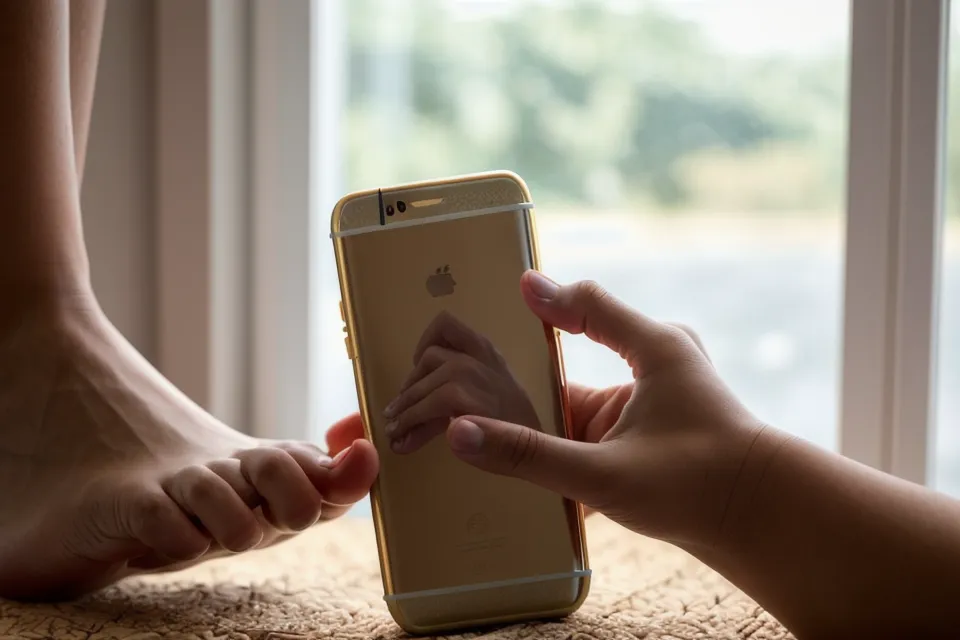
A photo doesn't lie the way a hopeful thumb does, but it's slow to pay off. Nails don't move fast enough for check-ins to feel satisfying, which is really its own topic about how nail growth works and not one I'll try to settle here. What a photo gives you instead is distance from your own wishful thinking, which turns out to matter more than speed.
What Three Months of Tea Tree Oil Actually Taught Me
Tea tree oil from New Seasons was the first thing I tried, twice a day for a solid three months, and neither tracking method gave me anything to celebrate. The touch test never changed. Same density, same stubborn edge. The photo log was worse: the two images I compared side by side could have been swapped and I wouldn't have noticed. Whatever was supposed to be happening wasn't showing up by either measure, and that agreement between two completely different kinds of checking is probably the most useful thing that came out of the whole stretch.
My friend Marisol handles this kind of thing differently. She keeps a journal for everything, entries dated back years, and when I told her about the photo gap she couldn't understand why I didn't just write it down the way she tracks her retreat notes. I tried a written log for a stretch and gave up. Words felt vaguer than a photo, even a bad one, and vaguer still than a thumb pressed flat against the nail.
Each Method Has a Blind Spot
Honestly, touch has an obvious problem: I want it to feel better, especially right before class, so I'm not exactly a neutral judge of my own thumb. There's a specific kind of discomfort in having a room full of people look at your feet for an hour while you're privately unsure whether the thing on your big toe is improving, holding steady, or getting worse, and that discomfort makes me generous with myself in a way a photo never is.
The photo log has its own blind spot. It only works if you actually keep taking the photos, and that routine is the first thing to slip once life gets busy, which says more about habit than about the nail itself. A fair comparison also has to admit what it isn't measuring. I never got a clean answer on whether this started as fungus or just years of barefoot impact on one nail, and that question is its own topic entirely. Nails like mine don't just discolor; they can thicken too, which is a separate conversation from either tracking method. What shoes and sandals do to the moisture around a nail is its own question, and so is whether the clippers and files I use on myself carry anything between uses.
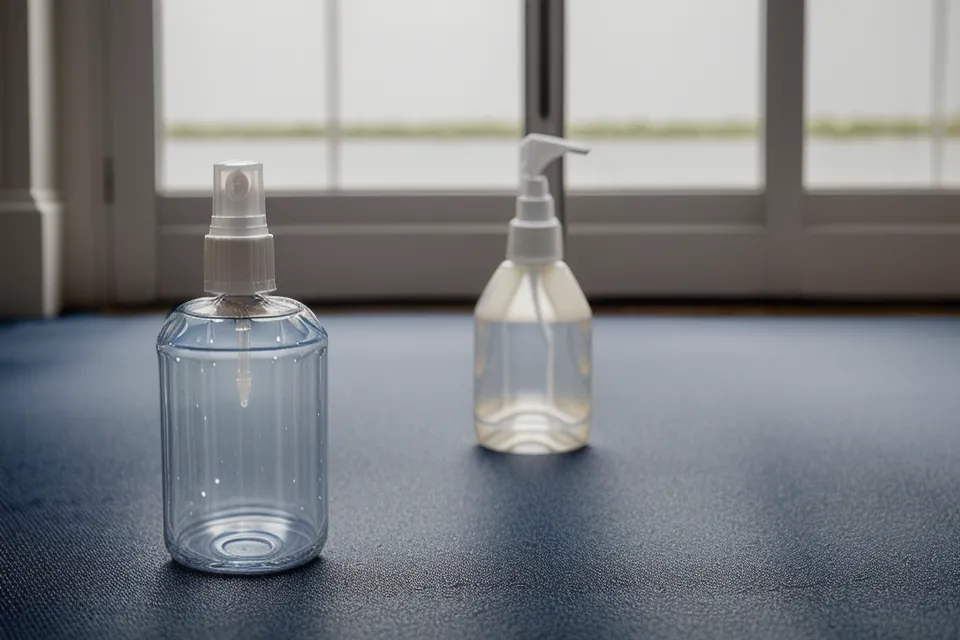
I did switch my mat spray to something isopropyl alcohol-based at one point, since it handles a porous surface better than the lavender spray I used before, but that's a hygiene question, separate from how you track a nail. Soaks with a particular pH might matter too, though I never tested that directly. Treating a nail from the outside in is a different argument than treating it from the inside out, and a nail turning lighter after something like hydrogen peroxide doesn't necessarily mean whatever is underneath got treated. Circulation and overall healing capacity differ from body to body as well, which is worth remembering before assuming any routine works the same for someone else.
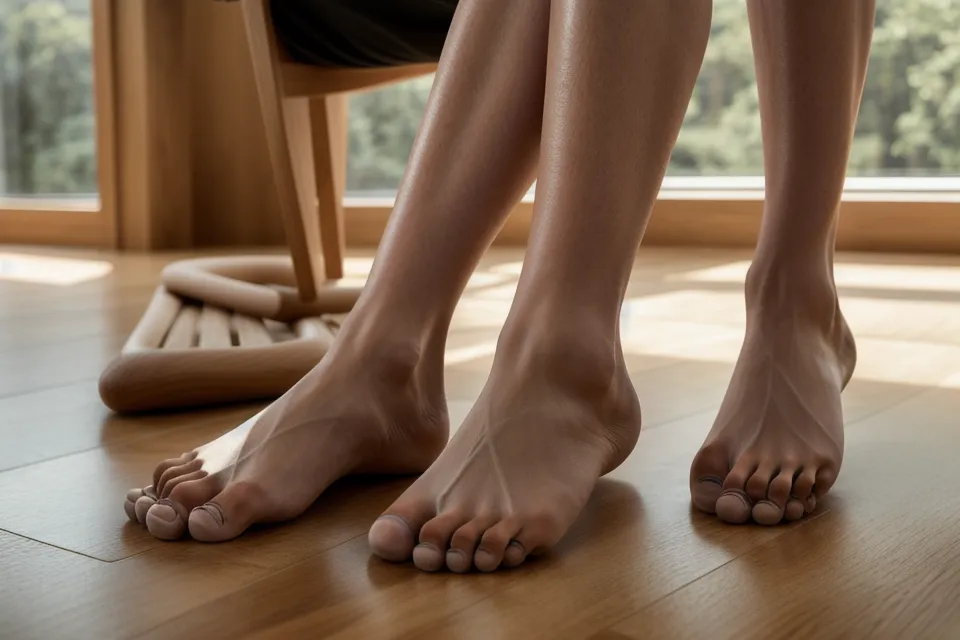
Somewhere in there I also looked at Biotin and other supplements marketed for keratin support, a different rabbit hole from either tracking method. How long a carrier oil actually sits on the nail before you wipe it off or pull a sock on probably matters more than which specific oil you pick. Prevention and active treatment aren't the same project either, even though most product pages blur the two together, and where you actually source a product factors in more than people admit. Tea tree oil has its own specific reason for underperforming on a nail that oils generally struggle to penetrate in the first place; a related piece on beyond tea tree oil covers that in more depth than I will here. There was also a longer stretch of simply not wanting to admit anything was wrong before I tracked anything at all, and that denial probably cost more time than any product did.
Choosing the Right Method
Use the touch test for the cheap, frequent reassurance it's built for: a quick check before class that costs nothing and catches an obvious regression fast. Don't lean on it to decide whether a product is working, though. A thumb is too easy to talk into feeling whatever you want it to feel. Use the photo log for that decision instead, and judge it by one thing only: whether there's visibly more healthy nail at the base than there was last time you looked, not whether the color seems different under different light. That's the actual signal. Everything else, the supplements, the soaks, the mat spray, which oil you pick, is secondary to getting that one comparison right.
None of this makes me any kind of expert on your nail, only on mine, and even that took longer than I expected to get right. The comparison itself, touch against photo, immediate against proven, is worth running before you spend money or time chasing any single fix.